
Is an Electric Vehicle the Right Car for You?
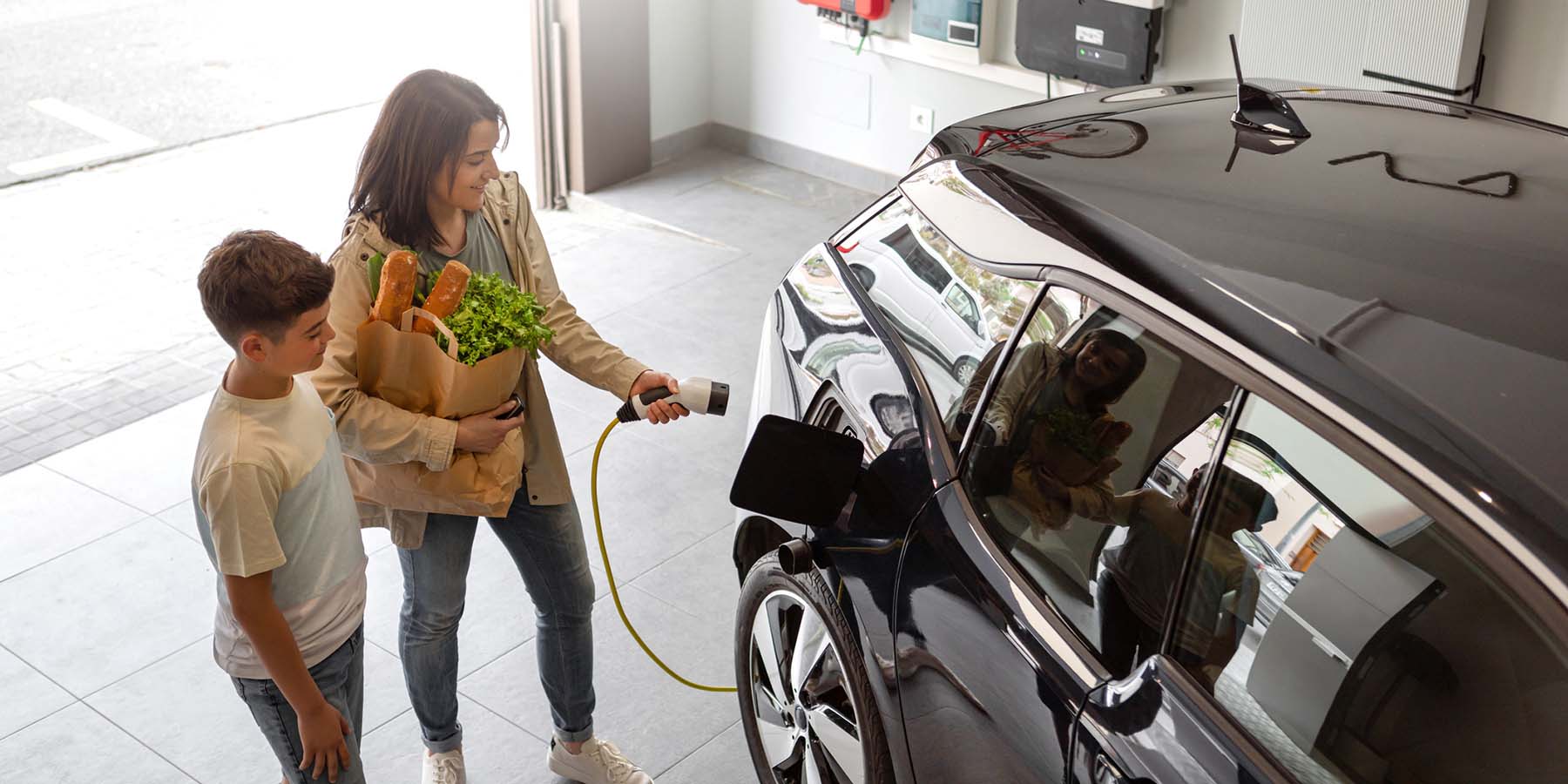
Have you seen more people charging their cars instead of filling up at the gas pump out on your drive? Electric vehicles, also known as EVs, have become more popular over the last few years. Whether it's helping the environment, saving money on gas, or wanting to try something different, there are a variety of reasons that an EV could be an option for you.
In this blog, we'll explore what exactly makes an EV different, as well as their benefits and how an EV is different from a standard car that uses gasoline.
1. What is an Electric Vehicle (EV)?
An electric vehicle, commonly called an EV, is a car that runs on electricity as opposed to gasoline. Americans have experimented with EVs dating back to the late 1800s. William Morrison, a resident of Des Moines, Iowa, created the first successful EV in the United States, which was essentially a wagon that ran on electricity.
Americans soon after started developing hybrid vehicles, which often used an electric battery and a gas engine. Ferdinand Porsche, known mainly for the sports car, created the first hybrid vehicle in 1901. EVs lost significant popularity by the mid-1930s as America looked to more sources to obtain gasoline.
By the 1990s, scientists and researchers gained major strides in improving the performance of EVs and their batteries. General Motors released the EV1, the first EV to be made by a major American auto manufacturer. By 2006, Tesla, a Silicon Valley start-up, committed to developing luxury electric sports cars.
Today, Tesla is the leading developer of EVs. However, most American auto manufacturers, such as Ford, Subaru, Toyota, and more offer EVs to consumers.
2. Different Types of Electric Vehicles
There are four major types of EVs: battery electric vehicles, hybrid electric vehicles, plug-in hybrid electric vehicles, and fuel cell electric vehicles. Let's take a closer look at each below:
Battery Electric Vehicles
A battery electric vehicle (BEV) is exactly as it sounds—a car that runs on an electric battery. These are the most common type of EV currently. A BEV runs solely on this electric battery. As the battery runs low, it will need to be plugged in and charged to continue running.
Hybrid Electric Vehicles
Hybrid electric vehicles use a combination of electricity and gasoline to run. Unlike BEVs, hybrids lack an outlet don’t need to be plugged in, as they also use gas. Hybrids are known for their fuel efficiency—when the car is at rest, the batteries charge and assist with acceleration.
Plug-in Hybrid Electric Vehicles
There are some hybrids that do have a plug, known as plug-in hybrid electric vehicles. Unlike basic hybrids, plug-in versions can drive longer distances when gasoline runs low, purely on the electricity from the battery. The gas engine also can recharge the battery.
Fuel Cell Electric Vehicles
Fuel Cell Electric Vehicles, a fourth type of EV, are particularly beneficial for the environment. They generate electricity by converting liquid hydrogen (which is stored in a pressurized tank) into water. Given this, the only emission from a fuel cell EV is water.
Fuel cell EVs are also one of the newer (and more uncommon) types of EVs. Hydrogen stations are not as common as charging stations, with most being in California.
3. How EVs Work
While each electric vehicle operates a bit differently, your most basic EV (a battery EV) runs by having a charged battery. Just like you’d stop at a gas station or rest stop to fill up your standard car with gasoline, you can now stop at rest stops or charging stations to charge your EV. This energy is stored in the car’s battery and transformed from electrical energy into mechanical energy.
A hybrid EV works by using a combination of both gasoline and electricity. For a standard hybrid EV, gasoline is the primary source for creating the car’s energy. Electricity helps to develop efficient and eco-friendly features that can help with things like acceleration. In doing so, this limits the carbon footprint of your car.
Every EV is different when it comes to how far they can go on their respective batteries. In a lot of ways, EVs operate similarly to standard gasoline cars when it comes to general use and gradual wear and tear. For instance, an EV’s battery will work harder going up a hill compared to a flat road, and colder weather can speed up the rate in which the battery wears down.
4. Charging an EV
As long as your EV has a plug, it will need to be charged. When you buy an EV, most dealerships will supply you with a Level 1 charger, which can work in most electrical outlets in your home. You can consider making modifications to outlets in your home and upgrading to Level 2 or 3 chargers for faster charging.
While they’re not as common as your standard gas station, more charging stations are popping up across the country. Here are some tips you can follow to find charging stations and ensure your EV is ready, especially ahead of a big trip:
- It's recommended to always keep your EV's battery between 20 and 80%. This helps limit strain on the battery and helps your EV's overall performance.
- If you keep your car in a garage at home, consider upgrading an outlet in the space to accept a Level 2 or 3 charger. This will allow your EV to charge faster.
-
If you're going on a road trip or will be driving a long distance, map out your route using a service like A Better Route Planner. You’ll be shown routes that include public charging stations along the way.
5. Benefits of EVs
There are several key benefits that come from having and using an EV. These would include:
- Less money (if any) spent on gasoline—while EVs may cost a bit more up front compared to standard cars, you likely won't need to spend much money (if any) on fuel
- Environmental benefits—EVs have few (if any) tailpipe emissions, which limits the presence of greenhouse gases in the atmosphere and minimizes their carbon footprint
- Financial benefits—some states may offer rebates or incentives for using an EV compared to a standard vehicle
-
Convenience—having an EV is in a way like having a gas station in your very own home! You can charge the car at your own convenience and prepare ahead of time for your trips
6. Electric Vehicles vs. Gas Cars
There are some significant differences between EVs and cars that use gas. It’s crucial to assess your own financial situation before deciding which car is best for your lifestyle and needs. Some key elements to consider include:
- Cost - while an EV may cost more up front, you may save more over time. Take a look at what your electricity costs in your area in comparison to what it would cost to fill up your car at the pump each month.
- Maintenance - standard cars have parts like spark plugs, a fuel tank, a muffler, and more that EVs don't. This could potentially mean less maintenance costs and upkeep with an EV.
-
Incentives - look for any tax credits or incentives that your state offers which are unique to having an EV and installing any related equipment into your home.
7. Making the Call
When it comes to finding your next car, be sure to take a close look at your lifestyle and what will work best for your family. Are your commutes relatively short and straightforward? Do you hope to limit your impact on the environment? If your answer is ‘yes’ to these and other related questions, an EV could be a good fit for you.
Here at American Heritage Credit Union, we’re proud to offer Auto Loans for both new and used vehicles. You can enjoy no payments for the first two months1, alongside peace of mind with low monthly payments and a competitive rate. Explore our offerings here.
1Promotion effective as of January 01, 2026, and are subject to be cancelled, extended, or changed without notice. Borrowers of promotional refinance or purchase offer may skip first two payment cycles and then make consecutive monthly payments based on the term selected. Interest starts accruing on the date the funds are disbursed. Less or no principal may be deducted from the first payment(s) made after the skipped payment cycles. Offer is not automatically applied to the loan, borrower must request to enroll at time of signing. Not a member? Join today.